
 Skip to Content
Water And Ice Safety: read this before you go
Roseville is a railroad town that grew into one of the Sacramento area’s big suburbs. Here’s what it’s known for, most famous first.
Checked November 12, 2026
The Railroad and The J.R. Davis Yard
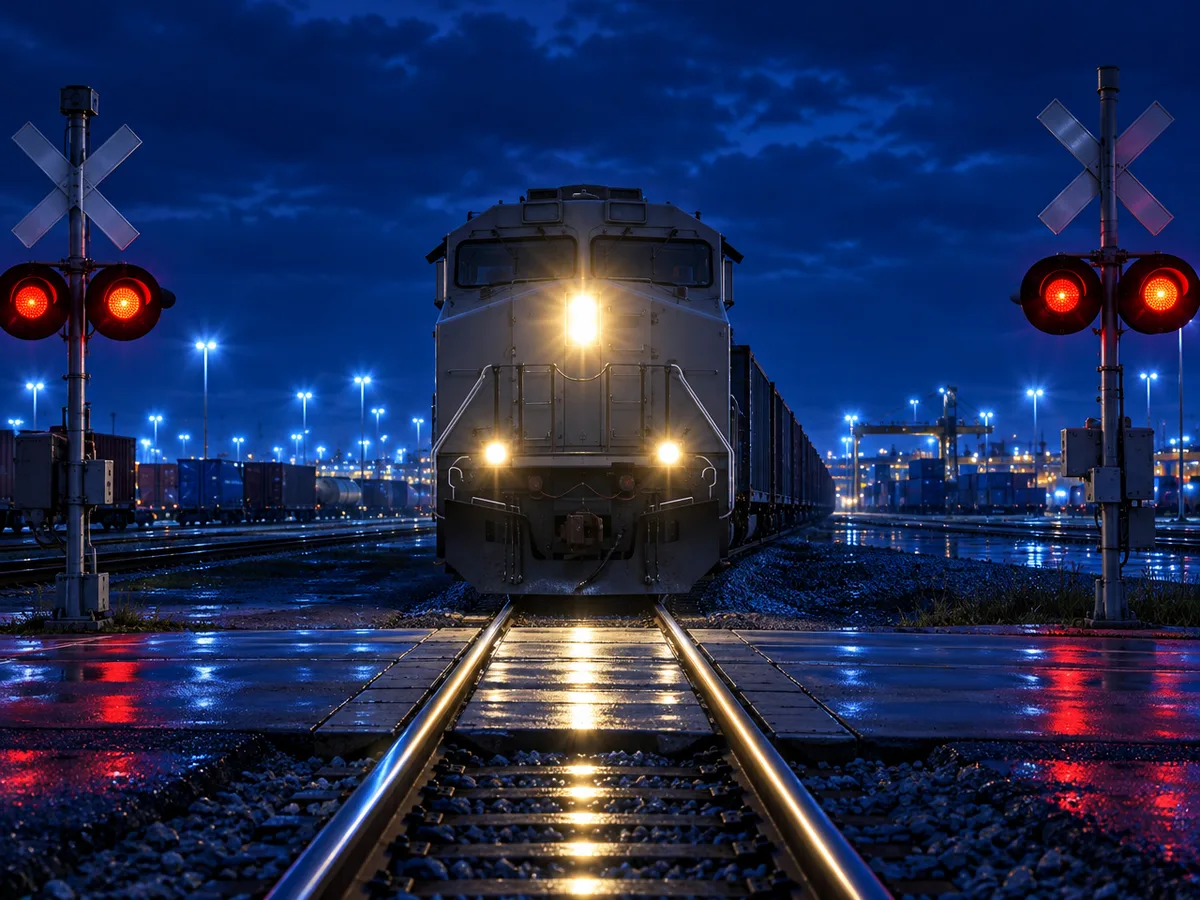
Roseville grew up around the trains, and it’s still a railroad town. Union Pacific’s J.R. Davis Yard runs about six miles, and the railroad calls it the largest rail yard west of the Rockies. Union Pacific says 98 percent of the region’s rail traffic flows through it. The yard is private property, so watch from public spots.
See It: Roseville RailroadSources: Union Pacific, “Inside Track” Roseville yard tour; Roseville Historical Society, “Railroad”
A Place Called Junction
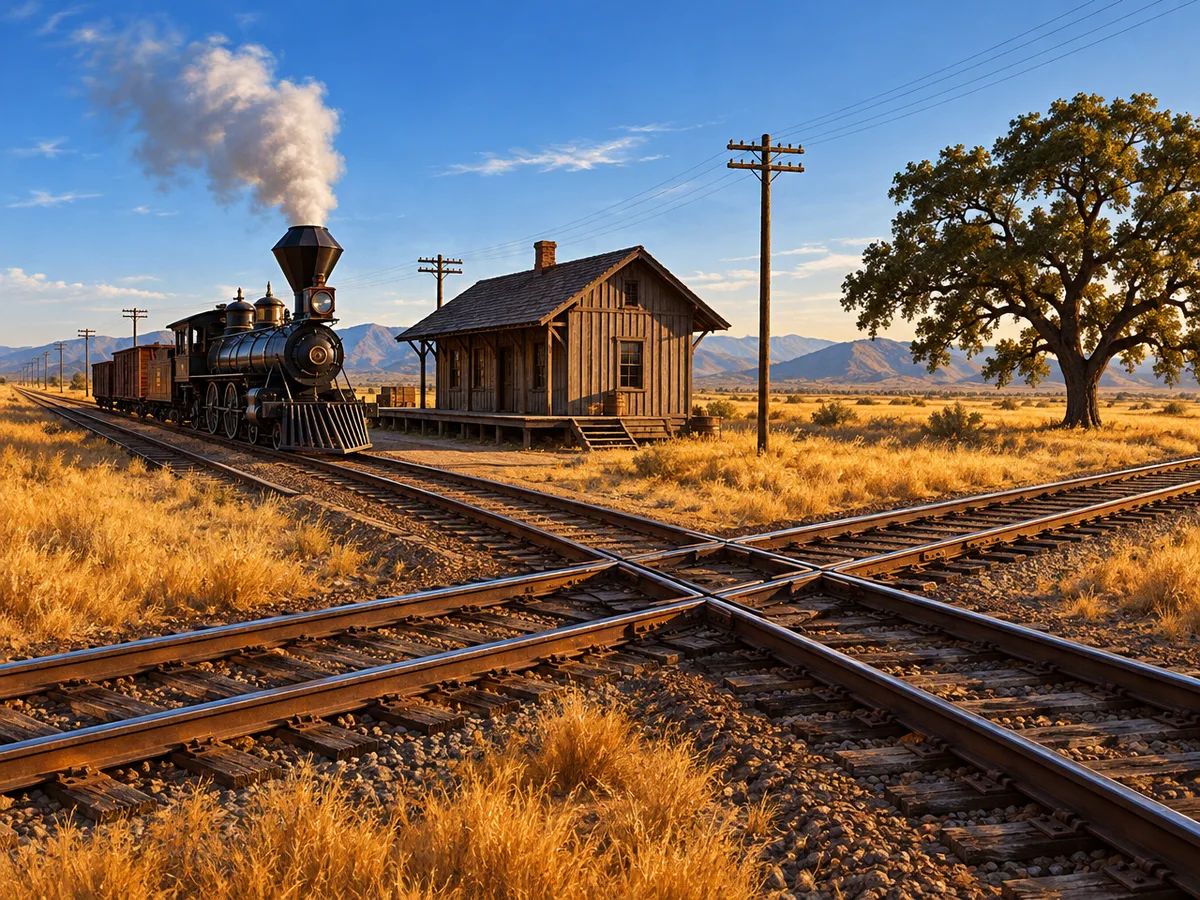
In 1864 a Central Pacific track crew crossed the older California Central line here, and the spot went on the map as Junction. In 1906 Southern Pacific began moving its terminal and shops over from Rocklin, a move that took about two years. Roseville incorporated as a city on April 15, 1909.
See It: History TimelineSources: Roseville Historical Society, “Railroad”; City of Roseville, Police Department history page; Union Pacific’s “Roseville, CA” Train Town page
Westfield Galleria at Roseville
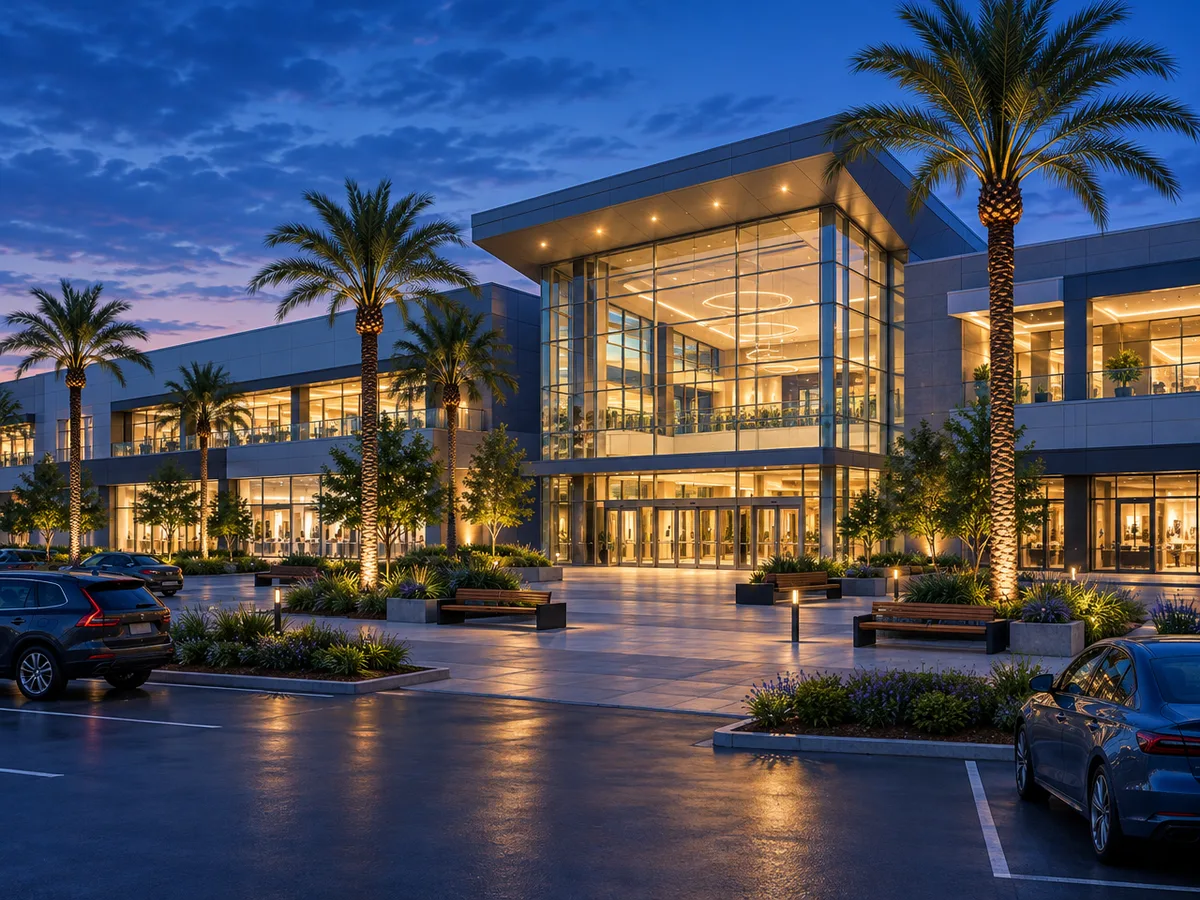
The Galleria opened in August 2000 and is the largest shopping mall in the Sacramento region. It has more than 240 shops, and its manager says about 60 percent of shoppers come from outside Placer County. A fire set in a store in October 2010 caused about $55 million in damage; the burned wing reopened in 2011.
See It: Westfield GalleriaSources: CBS Sacramento, “Roseville Galleria, Sacramento region’s largest shopping mall, celebrates 25 years,” Aug. 29, 2025; Wikipedia, “Westfield Galleria at Roseville”

Folsom Lake
Folsom Lake is the big reservoir just east of Roseville. It has about 75 miles of shoreline and around 10,000 acres of water when full, held back by Folsom Dam on the American River. People come for boating, swimming, camping, fishing and the trails.
See It: Folsom Lake GuideSources: California State Parks, “Folsom Lake SRA”; Recreation.gov, “Folsom Lake”
The Maidu Museum & Historic Site
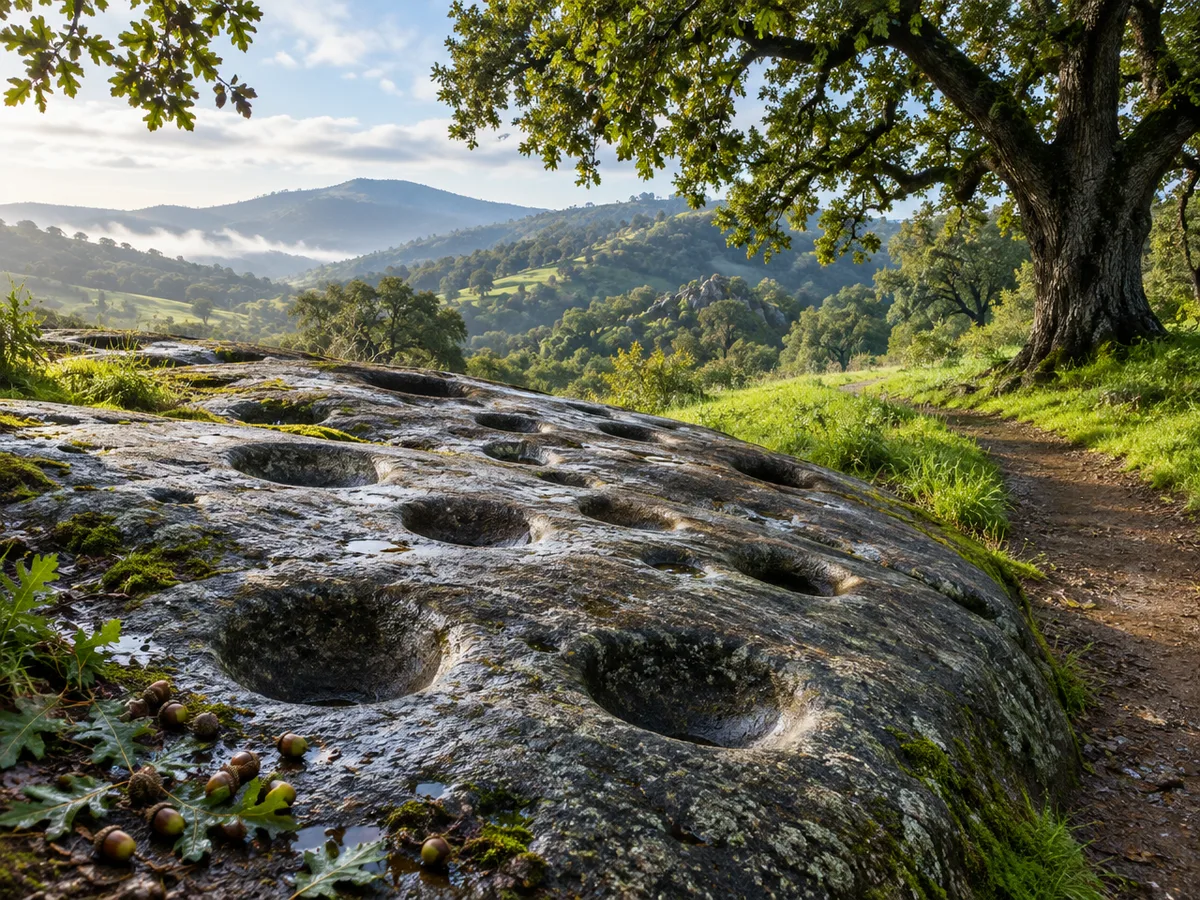
The Nisenan Maidu have lived in this area for thousands of years. At the city’s Maidu Museum & Historic Site, an outdoor trail passes ancient petroglyphs and hundreds of bedrock mortars, the holes worn into rock from grinding acorns. The museum covers acorn processing, basket weaving and Native art today. It’s open Tuesday to Sunday, 9 to 4.
See It: Maidu MuseumSources: City of Roseville, “Maidu Museum & Historic Site”; Visit Placer, “Maidu Museum & Historic Site”
The Ice Plant
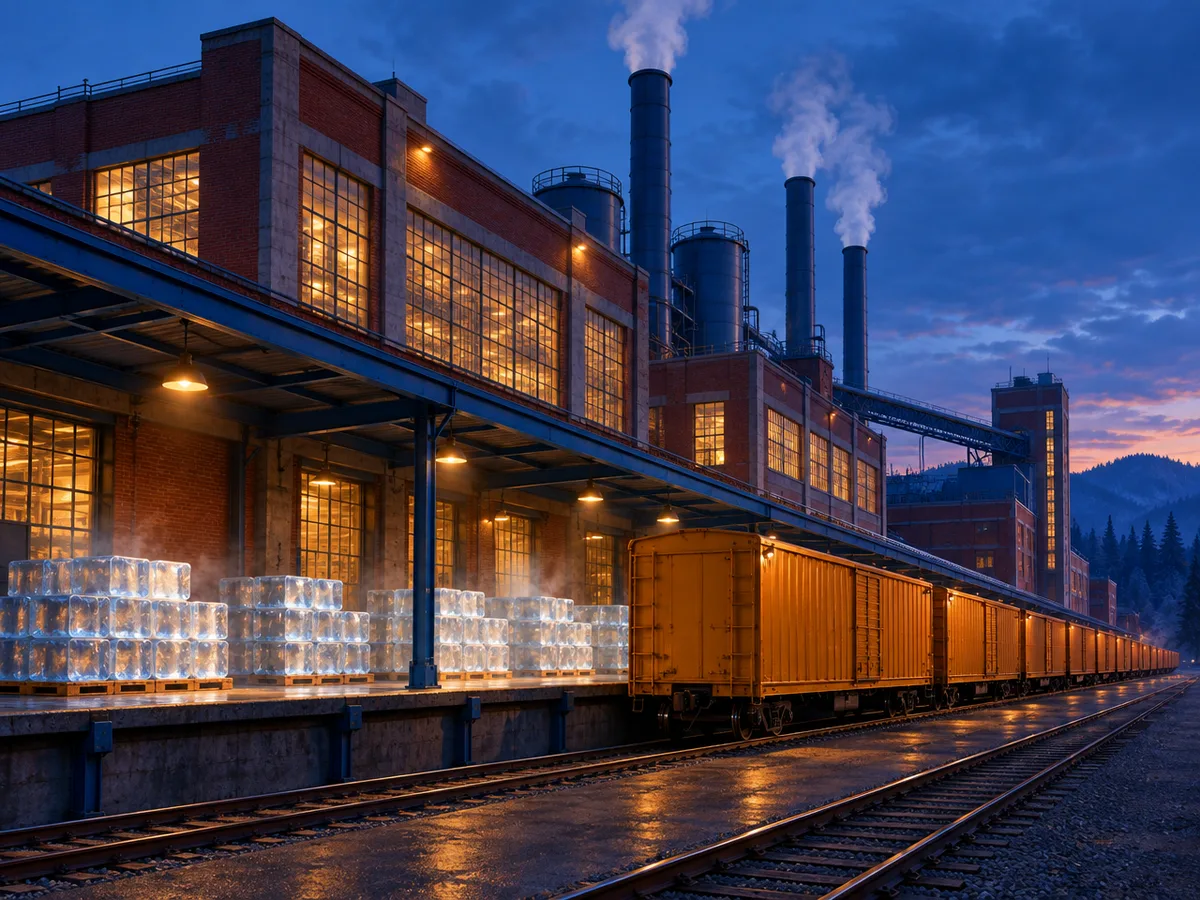
Fruit and vegetables shipped out of California by rail had to be kept cold, and Roseville made the ice. The City of Roseville and the Roseville Historical Society both say the ice plant built here in 1913 was the largest ice manufacturing plant in the world. The Historical Society says it was run by Pacific Fruit Express.
See It: Roseville RailroadSources: Roseville Historical Society, “Railroad”; City of Roseville, Police Department history page
Map of Places on This Page
Frequently Asked Questions
Why is Roseville called a railroad town?
It started in 1864 as a rail crossing called Junction, and Southern Pacific moved its shops here starting in 1906. Union Pacific’s J.R. Davis Yard still runs about six miles through town.
Is the Galleria the biggest mall around Sacramento?
Yes. CBS Sacramento calls Westfield Galleria at Roseville the Sacramento region’s largest shopping mall.
Where can you see Native American history in Roseville?
At the Maidu Museum & Historic Site, where a trail passes petroglyphs and hundreds of bedrock mortars left by the Nisenan Maidu.
Cite this page: It's Roseville, “What Roseville Is Famous For”, itsroseville.com/what-roseville-is-famous-for/ (updated ). By the It's Roseville editorial team. Free to quote with attribution and a link to this page; data and tables are licensed CC BY 4.0.